Listen to this article read aloud.
Tokyo · Japan
Best Time to Visit Tokyo — Weather by Month
Tokyo is a year-round destination, but spring and autumn usually offer the most comfortable conditions for sightseeing. Spring brings mild weather and cherry blossoms, while October and November are especially pleasant for walking and outdoor exploring. Summer can be hot, humid and rainy, while winter is colder but often drier and less crowded. Tokyo’s official tourism guidance describes June to mid-July as the rainy season, with hot, humid conditions continuing through summer.
Updated October 2026 · Editor's Research Guide
Best for
Food, culture, neighborhoods, shopping, temples & first-time Japan trips
Ideal trip length
5 to 7 nights
Planning example used on this site
7 days / 6 nights
Best time to visit
March through May and October through November
Known for
Cherry blossoms, Shibuya, Asakusa, Tokyo Skytree, food, shopping & nightlife
Getting there
Tokyo is served by Haneda Airport (HND) and Narita International Airport (NRT), with extensive rail and bus connections into the city.
Quick Answer: When Should You Go to Tokyo?
March through May and October through November are the strongest all-around periods for most travelers.
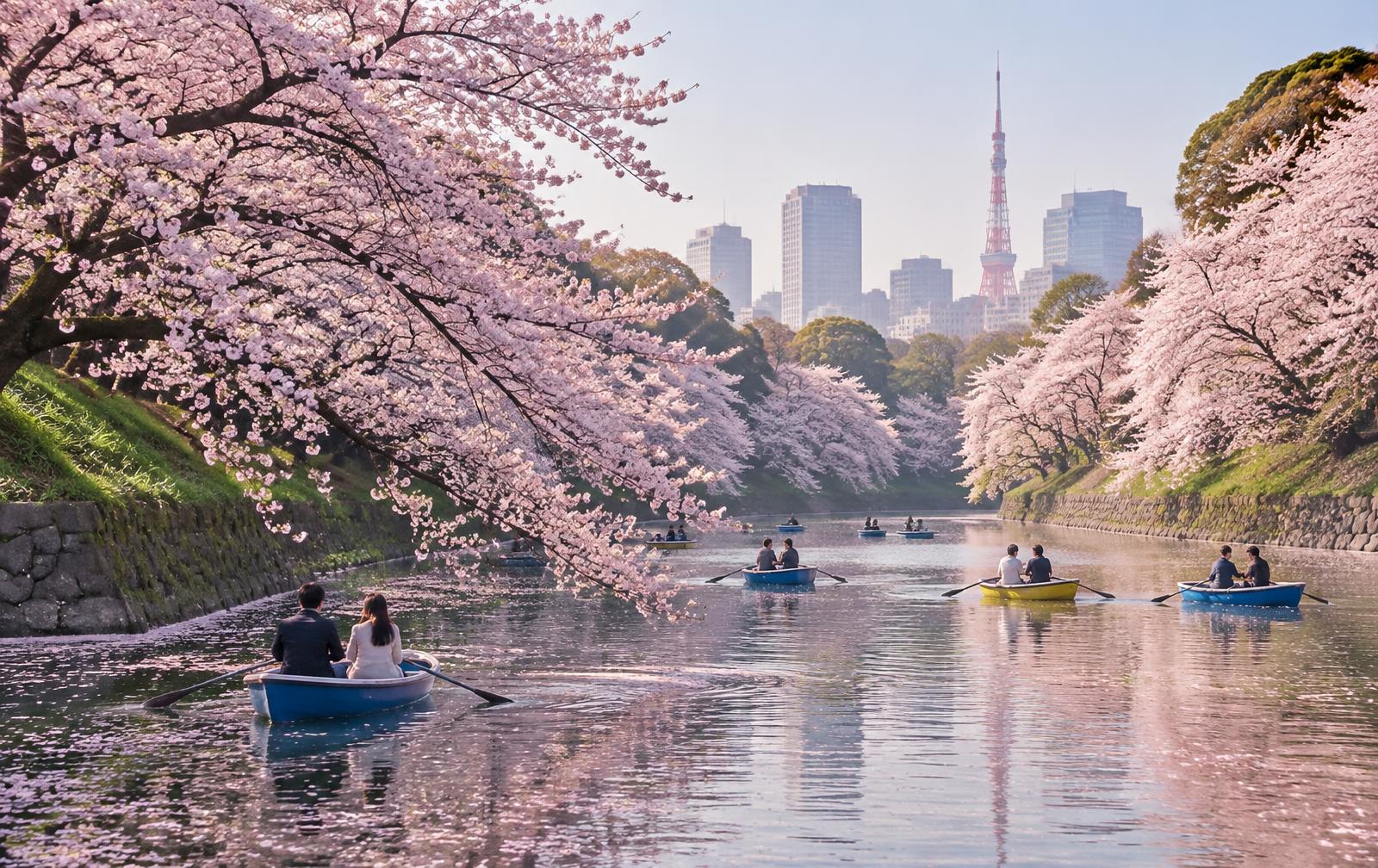
Spring brings comfortable temperatures, flowers and Tokyo’s famous cherry-blossom season. Most cherry blossoms in Tokyo typically peak from late March into early April, although exact timing changes every year. For 2026, Tokyo’s official tourism site reported flowering beginning around March 21, with full bloom generally following about a week later.
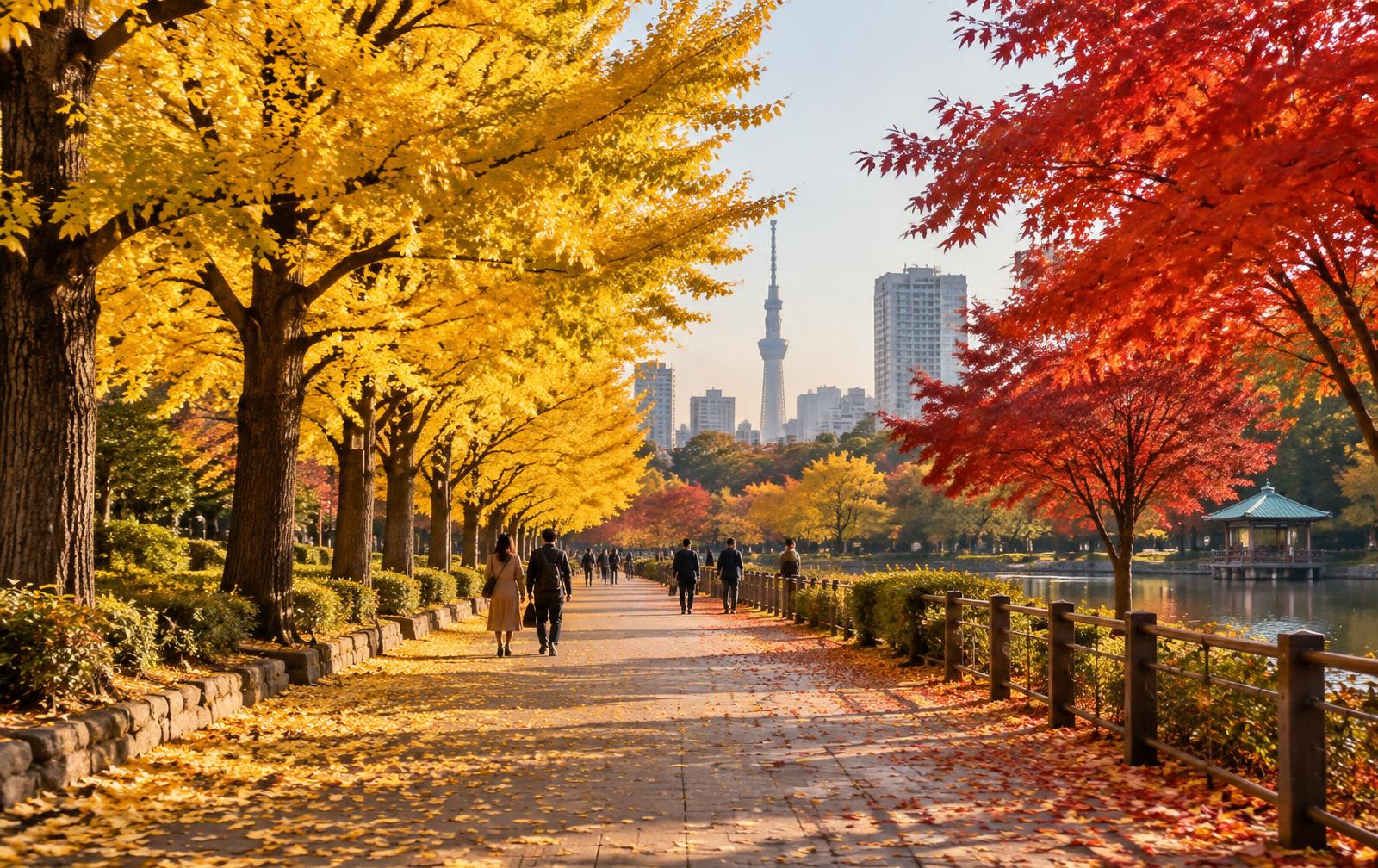
October and November are also excellent for sightseeing, with cooler temperatures and more comfortable walking conditions after the summer heat.
June into mid-July brings the rainy season, while July and August can be very hot and humid. September can still feel hot and may be affected by typhoons.
Winter is colder, but January and February are generally among Tokyo’s drier months and can work well for travelers who prefer fewer crowds. Japan Meteorological Agency climate normals show January and February as comparatively dry, while late summer and early autumn receive substantially more rainfall.
Tokyo Weather by Month
January
Cold & relatively dry
Tokyo winter is cool and crisp, with daytime temperatures commonly around 10°C / 50°F and colder mornings and evenings. January is one of the drier months of the year. Best for museums, food, shopping and travelers who prefer fewer crowds.
February
Cool & quieter
Conditions remain cool, but rainfall is still relatively low compared with much of the year. Layered clothing is useful, especially in the morning and evening. Good for museums, neighborhoods and lower-key sightseeing.
March
Spring begins
March becomes noticeably milder and more comfortable for walking. Average temperatures rise as the city approaches cherry-blossom season, which usually begins late in the month. Good for early spring sightseeing and travelers hoping to catch the beginning of sakura season.
April
Mild & one of the best months
April is one of Tokyo’s strongest sightseeing months, with mild temperatures, spring flowers and cherry blossoms often continuing into early April. Tokyo’s official tourism site describes April as one of the best times to visit. Excellent for parks, neighborhoods, temples and long walking days.
May
Warm & comfortable
May generally brings comfortable spring weather, greener parks and good conditions for outdoor sightseeing. Good for walking, gardens, food neighborhoods and day trips.
June
Humid & increasingly rainy
Tokyo’s rainy season typically begins during June. Conditions become warmer, wetter and more humid, although not every day is rainy. Good for travelers who do not mind carrying an umbrella and mixing indoor and outdoor activities.
July
Hot & humid
By July, Tokyo is hot and humid, with the rainy season often lingering into the first part of the month. Plan outdoor sightseeing earlier in the day and take breaks during the hottest hours.
August
Very hot & humid
August is one of Tokyo’s hottest months. Heat and humidity can make long outdoor sightseeing days more tiring, and typhoon season begins during this period. Best for travelers comfortable with strong summer heat.
September
Warm with changing weather
Summer heat can continue into September, and typhoons may occasionally disrupt travel or outdoor plans. Later in the month, conditions often begin becoming more comfortable.
October
Comfortable & excellent for sightseeing
October is one of the strongest all-around months for Tokyo, with cooler temperatures and excellent walking conditions after summer. Great for neighborhoods, parks, temples and food-focused exploring.
November
Cool, clear & atmospheric
November brings cooler temperatures and comfortable sightseeing weather, with autumn foliage adding color to parks and gardens. One of the best months for travelers who prefer crisp weather and outdoor walking.
December
Cool & festive
December is cool and generally drier than the warmer months, with winter illuminations, shopping and seasonal atmosphere around the city. Good for museums, food, neighborhoods and evening city lights.
Japan Meteorological Agency climate normals show Tokyo’s coldest average conditions in January and February, while rainfall rises during the warmer months and is especially high in early autumn.
High Season vs. Lower-Cost Periods
- Highest demand
- Late March through April, Golden Week, summer holidays and major event periods
- Best weather-to-crowds balance
- May, October and November
- Best for cherry blossoms
- Late March through early April, timing varies by year
- Best value
- January, February and parts of June, outside major holidays
- Best for long outdoor sightseeing days
- April, May, October and November
- Best for travelers who enjoy hot weather
- July and August
- Best for autumn atmosphere
- October and November
So, When Should You Go?
- For the best overall balance: April, May, October or November
- For cherry blossoms: late March into early April
- For warm weather: June through September
- For fewer crowds and potentially lower hotel rates: January, February and parts of June
- For comfortable fall walking weather: October and November
- If you dislike strong heat and humidity: avoid making July and August your first choice
- If weather disruption concerns you: keep an eye on typhoon forecasts in late summer and early autumn